
While we’re on the subject…
In her Nevada Independent op-ed, “Nevada is preparing to execute a man with significant organic brain damage,” Dr. Natalie Novick Brown, a licensed clinical psychologist who evaluated

In her Nevada Independent op-ed, “Nevada is preparing to execute a man with significant organic brain damage,” Dr. Natalie Novick Brown, a licensed clinical psychologist who evaluated

In California, the Los Angeles Daily News reports that Stanley Bernard Davis, sentenced to death in 1989 for the murder of Los Angeles college students Michelle Ann Boyd
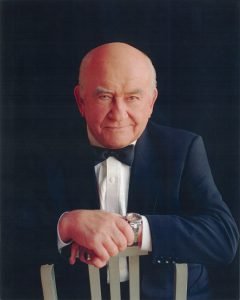
Death Penalty Focus lost a dear friend and one of its most loyal supporters last week. Actor, activist, and all-around good guy, Ed Asner, died late last month at his home in Los Angeles. He was 91.

Oklahoma Attorney General John O’Connor has tentatively scheduled executions for seven men in five months, starting in October and continuing into February. If carried out, they will be the first executions in the state since 2015.

Two bills that would go a long way toward reforming California’s seriously flawed criminal justice systems are on hold until January.
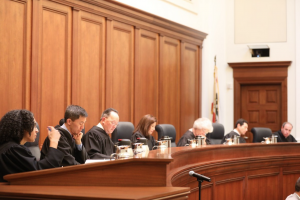
When the California Supreme Court, late last month, upheld a state law that does not require a unanimous jury vote when sentencing a defendant to death, it not only disappointed many criminal justice advocates it surprised them as well.
“We are disappointed the Court didn’t take this step to address one of the many serious flaws in California’s capital punishment system,” Death Penalty Focus Board Chair Sarah Sanger stated. “The Court could have taken a big step toward confronting a deeply biased death penalty system.”
Read DPF’s statement here regarding the disappointing decision announced by the CA Supreme Court today.
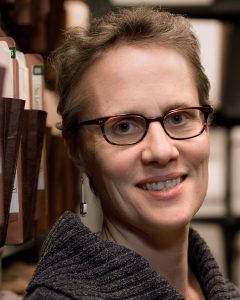
“After the execution of 13 federal prisoners by the Trump administration last year, we knew we had to redouble our efforts to abolish the death

In “The Trump Executions,” in a University of Texas Law, Public Law Research Paper, Lee Kovarsky analyzes the Trump Administration’s killing spree from July 2020 to January
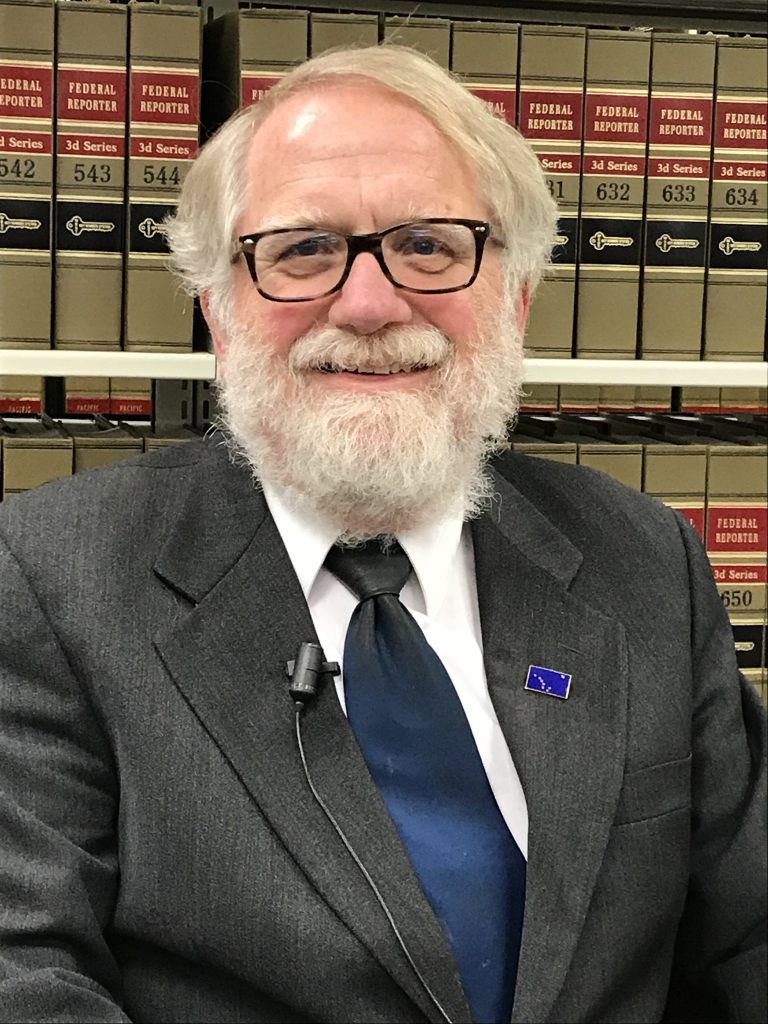
Fifty years ago this month, on February 18, 1972, California abolished the death penalty. But it didn’t stay abolished. The lesson for us is that we have two tasks: abolish the death penalty, and keep it abolished. A Powerful Attack on the Death Penalty The California Supreme Court ruled, by a 6-1 vote, that the death penalty violated the state Constitution, which prohibits “cruel or unusual punishments.” The court said

Texas has executed at least five men who were very likely innocent, according to a recent report by the Texas Coalition to Abolish the Death Penalty. And of the 186 men and women who were exonerated after being sentenced to death since 1973 in the U.S., 16 were wrongfully convicted and sentenced to death in Texas, according to the Death Penalty Information Center. So it’s not all that surprising, but
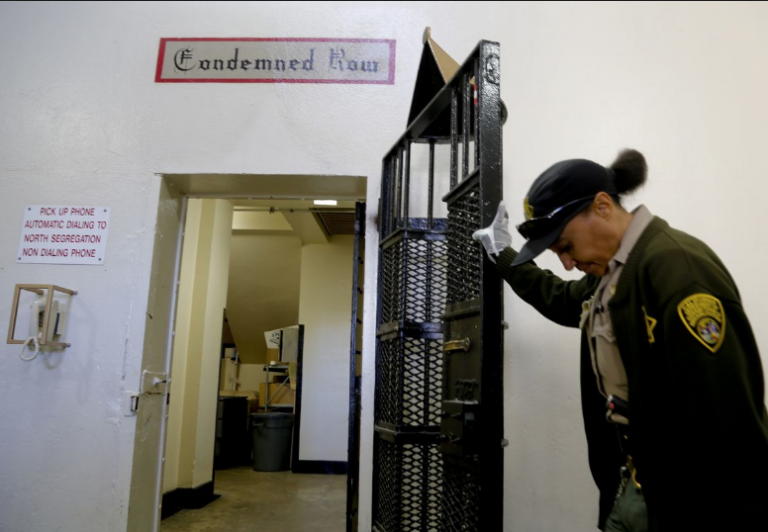
California’s death row, the largest in the Western Hemisphere, will be dismantled. Gov. Gavin Newsom announced last week that a two-year-old pilot program will be expanded, resulting in the transfer of most if not all, of the 694 men and women currently on death row to lower-level security prisons throughout the state. The goal, a spokesperson for the California Department of Corrections and Rehabilitation told the Associated Press, is to

In Alabama, Matthew Reeves was executed January 27, despite having an intellectual disability. Reeves was killed by lethal injection because he failed to choose a new method, nitrogen hypoxia, within the 30-day period required by corrections officials. Reeves’ lawyers had argued that his intellectual disabilities prevented him from understanding the form giving him the option of choosing nitrogen hypoxia over lethal injection. Reeves was sentenced to death for the killing
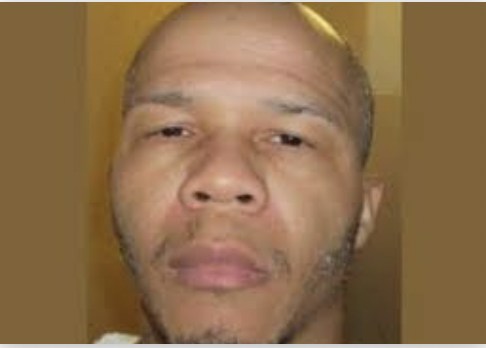
Alabama executed Matthew Reeves last night despite the fact he had an intellectual disability. His execution was the second state killing yesterday after Oklahoma executed Donald Grant in the morning. State officials killed Reeves after the U.S. Supreme Court lifted a lower court order staying his execution. Reeves was killed by lethal injection because he failed to choose a new method, nitrogen hypoxia, within the 30-day period required by corrections
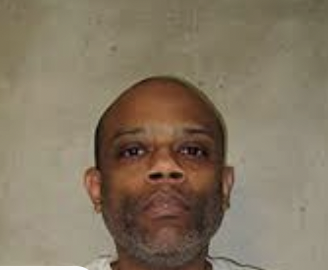
Oklahoma executed Donald Grant this morning, less than 24 hours after the U.S. Supreme Court denied a stay on Wednesday afternoon. He was killed by lethal injection. Grant was sentenced to death for killing two hotel workers during a robbery in 2001. Although Oklahoma has a history of botched executions, initial reports indicate there were no serious physical problems with Donald Grant’s. AP reporter Sean Murphy said Grant spoke for
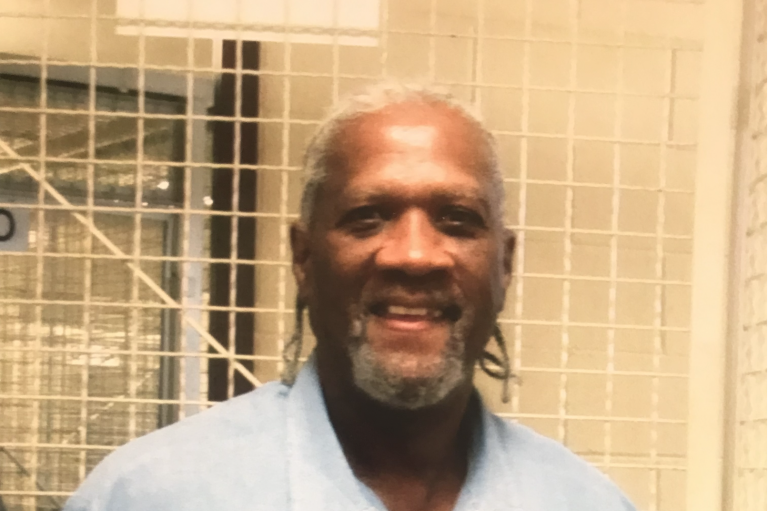
“In his Defense,” a documentary on the Kevin Cooper case, is in the works right now, and California filmmaker Kenneth Carlson has released a teaser for it on CarlsonFilms.com Just over seven months ago, California Gov. Gavin Newsom ordered an independent investigation of Cooper’s death penalty case. At the time, he explained that,“In cases where the government seeks to impose the ultimate punishment of death, I need to be satisfied

In his editorial in Verdict, Austin Sarat says there is such significant “new progress in the effort to abolish America’s death penalty,” that it’s “not too early to begin thinking about what it will be like to live in a country without [it} and to anticipate and plan for the battles that may ensue when it is ended.” Acknowledging that it’s unlikely the U.S. Supreme Court will abolish capital punishment,
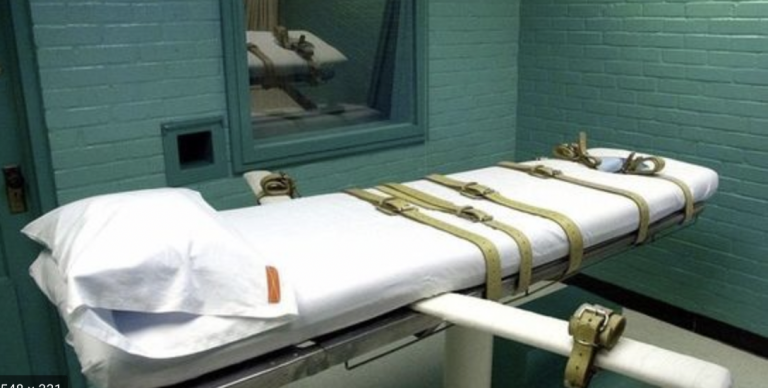
In Texas, the oldest person imprisoned on death row is scheduled to be executed on April 21. Carl Wayne Buntion, who is 77, has been on death row since 1991 when he was convicted of the 1990 killing of Houston police officer James Irby during a traffic stop. Buntion has spent 20 of his 30 years on death row in solitary confinement. The U.S. Supreme Court denied Buntion’s appeal in