
Oklahoma delays seven execution dates, including Richard Glossip’s
The Oklahoma Court of Criminal Appeals granted a motion filed by newly-elected Oklahoma Attorney General Gentner Drummond to slow down the state’s frenzied plan to

The Oklahoma Court of Criminal Appeals granted a motion filed by newly-elected Oklahoma Attorney General Gentner Drummond to slow down the state’s frenzied plan to

2022 was the “year of the botched execution,” according to the Death Penalty Information Center. And now, a 166-page report from a law firm commissioned
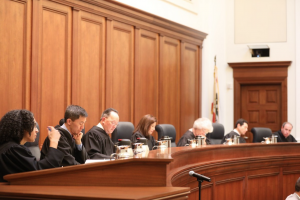
The California Supreme Court granted review earlier this month on whether people serving life-without-parole sentences for crimes committed when they were between the ages of
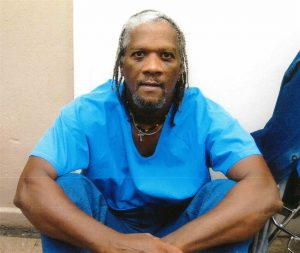
California Gov. Gavin Newsom issued an Executive Order in May 2021, calling for an investigation into Kevin Cooper’s 1985 death penalty conviction for a quadruple

“The death penalty is beyond redemption. It is unfair and unfixable, and it turns states into killers in the name of vengeance against killers,” the

After Alabama corrections officials botched their third execution in four months on November 17, Gov. Kay Ivey called a hiatus, saying it wasn’t the fault
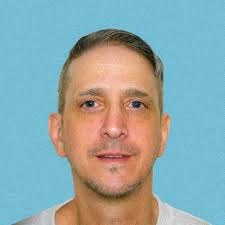
In one week, the Oklahoma Court of Criminal Appeals denied two petitions filed by Richard Glossip for an evidentiary hearing to consider new evidence of

In a bizarrely-worded statement, Alabama Gov. Kay Ivey called for a temporary halt to executions last week. She announced the decision after corrections officials botched
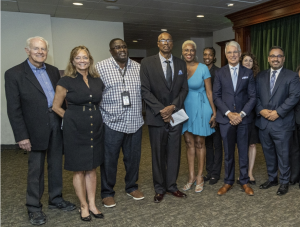
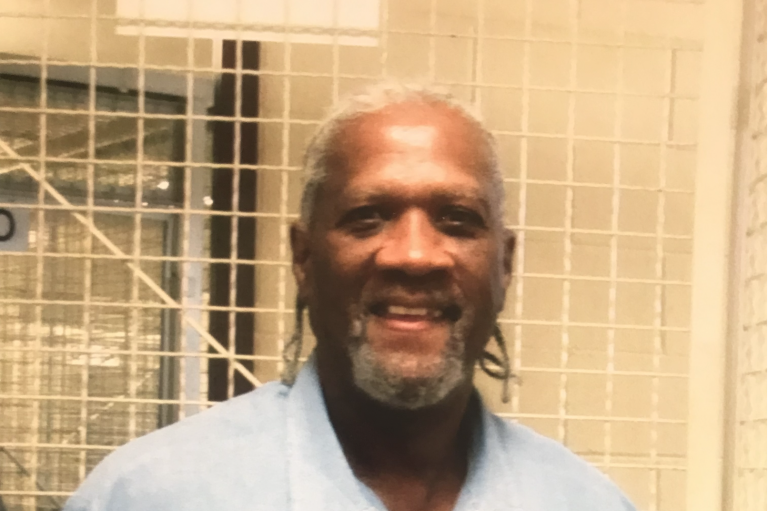
“What has happened to Mr. Hastings is a terrible injustice,” Los Angeles District Attorney George Gascón said at a news conference announcing Maurice Hastings’ release

CBS News’ “48 Hours” reporter Erin Moriarty updates the Kevin Cooper case in an interview and article, noting that “It’s very difficult to believe that one person” could have committed the 1983 San Bernardino quadruple murder Cooper was convicted of and sentenced to death for, in 1985. California Gov. Gavin Newsom ordered an innocence investigation in the case in May 2021. Moriarty has covered the case since 2000. She hopes
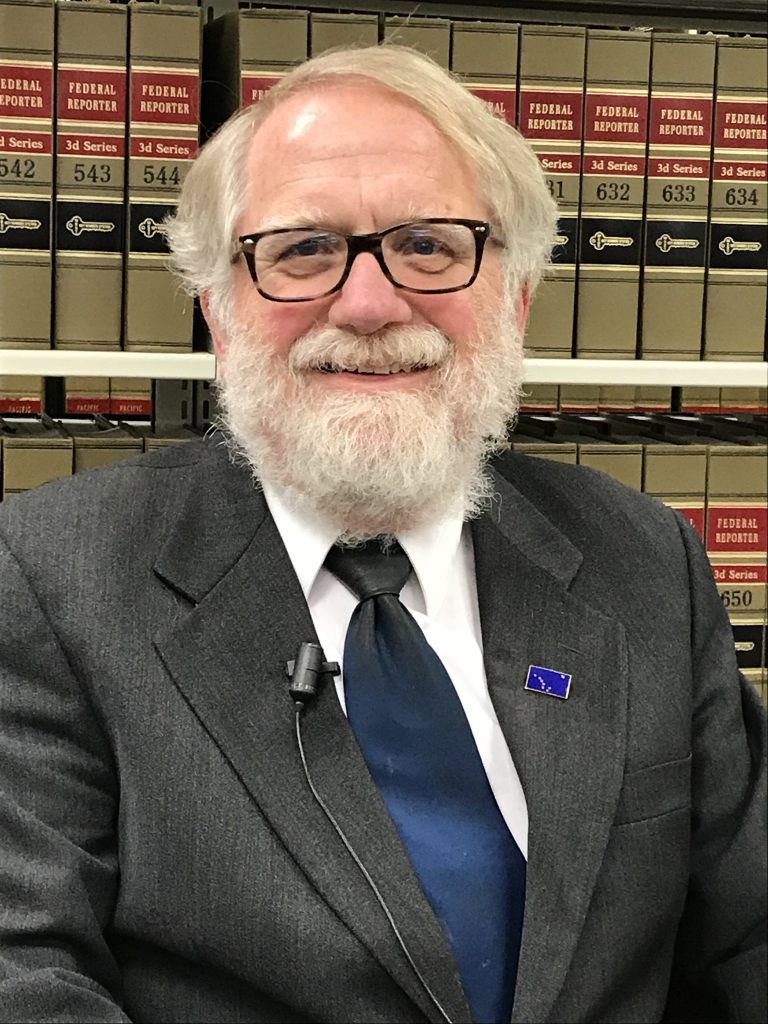
Fifty years ago this month, on February 18, 1972, California abolished the death penalty. But it didn’t stay abolished. The lesson for us is that we have two tasks: abolish the death penalty, and keep it abolished. A Powerful Attack on the Death Penalty The California Supreme Court ruled, by a 6-1 vote, that the death penalty violated the state Constitution, which prohibits “cruel or unusual punishments.” The court said

Texas has executed at least five men who were very likely innocent, according to a recent report by the Texas Coalition to Abolish the Death Penalty. And of the 186 men and women who were exonerated after being sentenced to death since 1973 in the U.S., 16 were wrongfully convicted and sentenced to death in Texas, according to the Death Penalty Information Center. So it’s not all that surprising, but
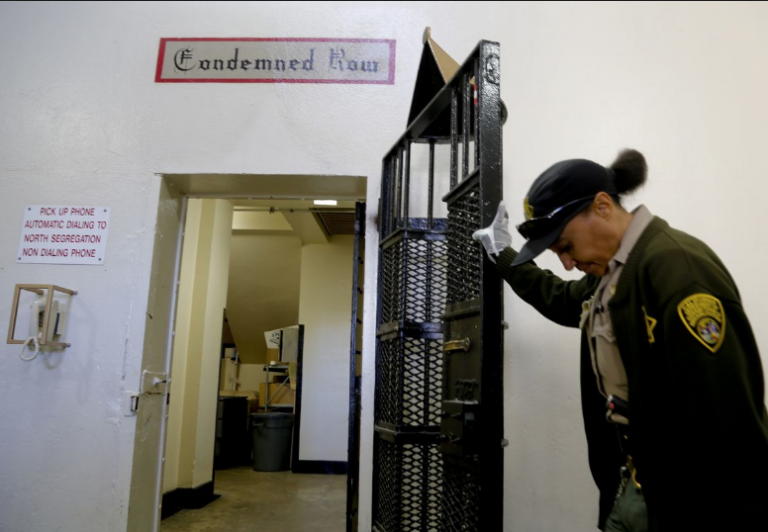
California’s death row, the largest in the Western Hemisphere, will be dismantled. Gov. Gavin Newsom announced last week that a two-year-old pilot program will be expanded, resulting in the transfer of most if not all, of the 694 men and women currently on death row to lower-level security prisons throughout the state. The goal, a spokesperson for the California Department of Corrections and Rehabilitation told the Associated Press, is to

In Alabama, Matthew Reeves was executed January 27, despite having an intellectual disability. Reeves was killed by lethal injection because he failed to choose a new method, nitrogen hypoxia, within the 30-day period required by corrections officials. Reeves’ lawyers had argued that his intellectual disabilities prevented him from understanding the form giving him the option of choosing nitrogen hypoxia over lethal injection. Reeves was sentenced to death for the killing
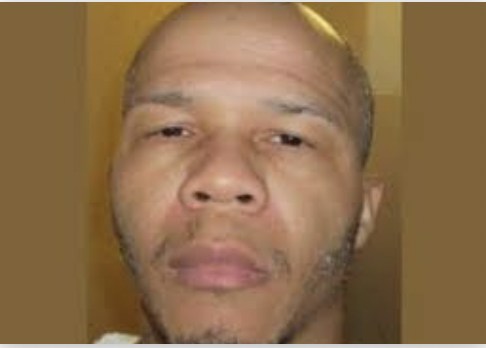
Alabama executed Matthew Reeves last night despite the fact he had an intellectual disability. His execution was the second state killing yesterday after Oklahoma executed Donald Grant in the morning. State officials killed Reeves after the U.S. Supreme Court lifted a lower court order staying his execution. Reeves was killed by lethal injection because he failed to choose a new method, nitrogen hypoxia, within the 30-day period required by corrections
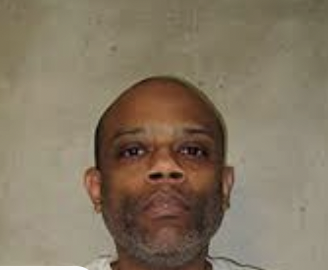
Oklahoma executed Donald Grant this morning, less than 24 hours after the U.S. Supreme Court denied a stay on Wednesday afternoon. He was killed by lethal injection. Grant was sentenced to death for killing two hotel workers during a robbery in 2001. Although Oklahoma has a history of botched executions, initial reports indicate there were no serious physical problems with Donald Grant’s. AP reporter Sean Murphy said Grant spoke for
“In his Defense,” a documentary on the Kevin Cooper case, is in the works right now, and California filmmaker Kenneth Carlson has released a teaser for it on CarlsonFilms.com Just over seven months ago, California Gov. Gavin Newsom ordered an independent investigation of Cooper’s death penalty case. At the time, he explained that,“In cases where the government seeks to impose the ultimate punishment of death, I need to be satisfied

In his editorial in Verdict, Austin Sarat says there is such significant “new progress in the effort to abolish America’s death penalty,” that it’s “not too early to begin thinking about what it will be like to live in a country without [it} and to anticipate and plan for the battles that may ensue when it is ended.” Acknowledging that it’s unlikely the U.S. Supreme Court will abolish capital punishment,